Co-Star
- Math:
- NASA ephemeris (correct)
- Interpretation:
- Algorithmic, punchy
- Personalization:
- Chart only
Chart math is standard. Interpretations are short, algorithmic daily text.
Accuracy, Honestly
Every major app uses the same ephemeris data — the math is usually correct. The real accuracy gap is interpretation and personalization. Here’s how each app actually stacks up.
The Comparison
Chart math is standard. Interpretations are short, algorithmic daily text.
Long-form editorial voice delivered as an ongoing subscription.
Chart math is standard. Text is generated from placement-based content.
Free, encyclopedic placement-by-placement reference text.
Accuracy isn't just the math — it's whether the reading describes the person reading it. Built around your own answers, not just your data.
The Real Accuracy Test
A perfectly accurate chart still feels generic when the writing is generic. That’s why every astrology reader has had the experience of reading a “correct” report that described no one in particular.
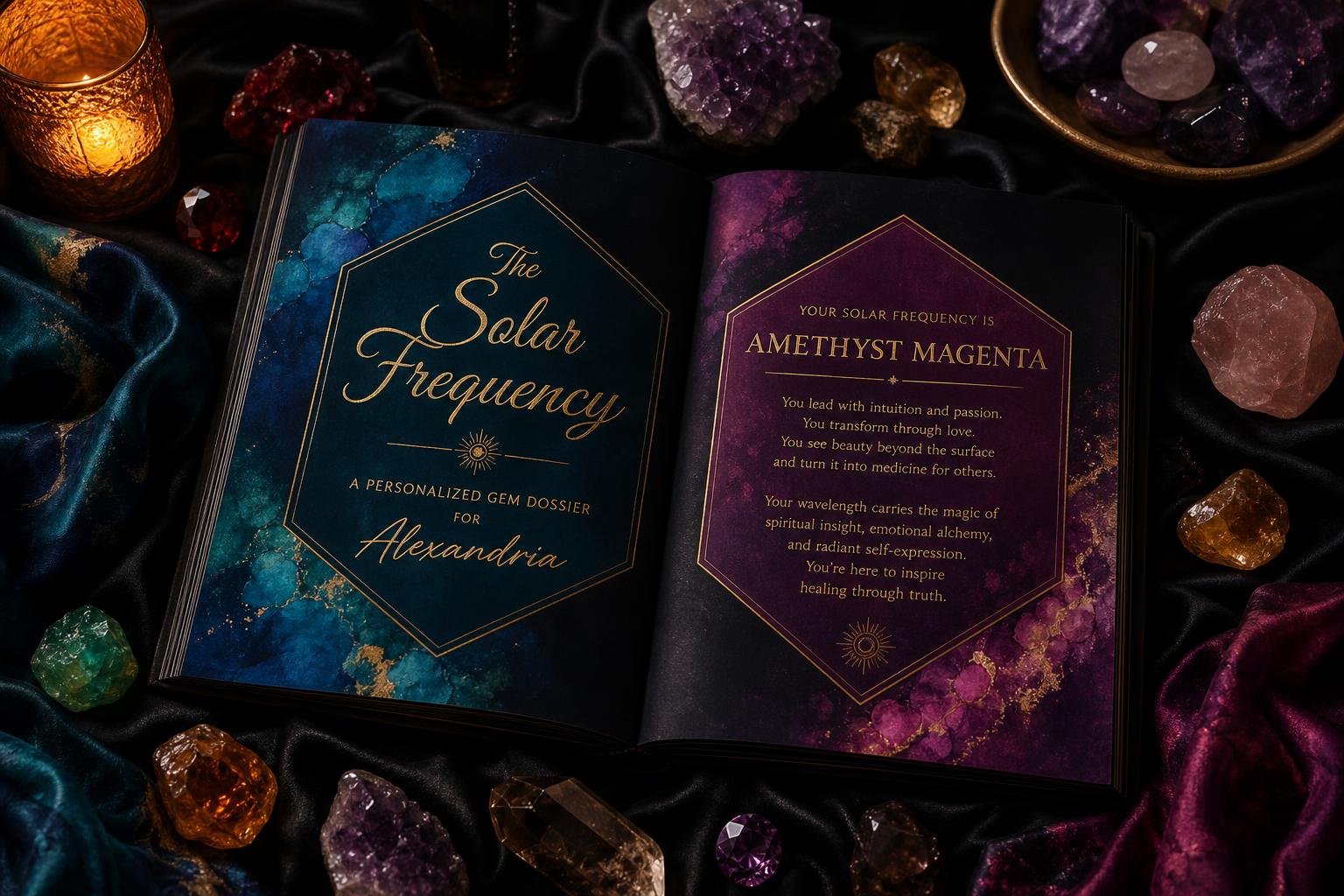
The Gem Assessment uses the same ephemeris math as the major apps — and then layers in your numerology cycles and your own intake answers. The result describes the actual you, not the category your chart belongs to.
Accurate math, accurate to you.
Frequently Asked
Three layers: (1) the math — does it use real ephemeris data, (2) the interpretation — is the writing nuanced and not templated, and (3) the personalization — does it describe you, or a category you fall into. Most apps get #1 right. Layers #2 and #3 are subjective, and no astrology interpretation is clinically validated.
The chart math is correct. The interpretations are algorithmic and brief — accurate for the category, not necessarily for you.
Anything using Swiss Ephemeris or NASA ephemeris produces the same chart. Co-Star, Chani, Cafe Astrology, and the Gem Assessment all do. The differences are in interpretation, not the math.
They use different house systems (Placidus vs. Whole Sign), different orbs, and different interpretive lineages. The data is the same — the lens isn't.
Only you can judge that, and that judgment is subjective. A generic reading can still feel distant. A reading that pulls in your own answers — what you've lived, what you're navigating — is what people actually mean by 'accurate.'
Comparison reviewed October 2026 from each app's public product pages. Interpretive accuracy is subjective and not clinically validated.
This material is spiritual and reflective in nature. It is not medical, psychological, legal, financial, or therapeutic advice. It does not diagnose, predict, or guarantee outcomes.